
The assets concerned
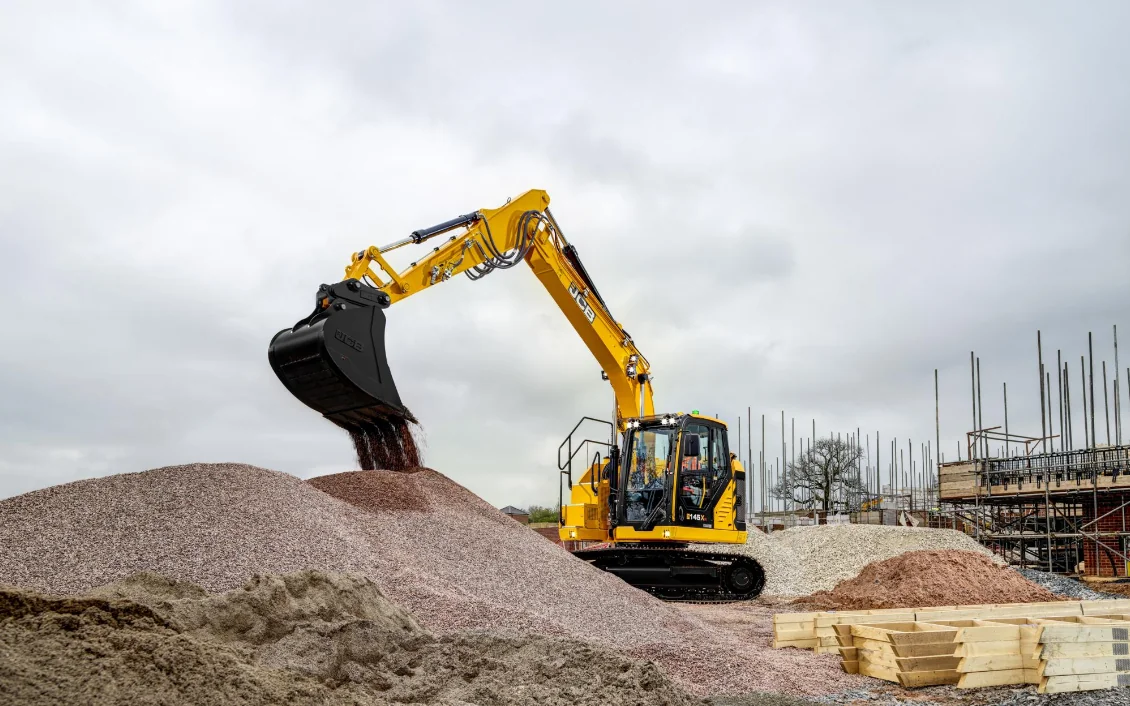
Engagements may cover individual machines, heavy equipment, production lines, workshop equipment, industrial installations and movable assets, according to the agreed scope. A machine that can be sold independently is different from a production line integrated into a facility. Assessing a group of linked assets may require a different analysis from assessing each item separately.
What influences value?
Useful evidence includes technical specifications, serial numbers, manufacture dates, operating and maintenance records, the present condition of the equipment and available market information. Physical wear is one consideration, but functional obsolescence arising from newer technologies and external economic factors can also reduce an asset's value. Transportation, dismantling and installation requirements may matter depending on the assumed circumstances.
Purposes of valuation
Machinery and equipment may be valued for acquisition or sale, financing, insurance, asset restructuring, liquidation or financial reporting. Each purpose raises its own questions about the basis of value and the assumed use of the equipment. A valuation with the equipment remaining in operation cannot automatically be treated as equivalent to an estimate under different disposal conditions.
Approaches to valuation
The market approach examines evidence of comparable equipment, adjusted for condition, model, date and location when justified. The cost approach considers the cost of a modern equivalent asset and appropriate forms of depreciation and obsolescence. An income-based method may sometimes be informative where the economic benefit attributable to the relevant assets can be reliably measured. The method must fit the asset and quality of available inputs.
Inspection and documentation
Inspection and supporting records help describe the subject assets and establish what is included in the task. Where data is incomplete, any material assumptions and resulting uncertainty should be explained. The scope of a valuation inspection should not be confused with a full engineering performance or safety certification unless that work is specifically included.
Book value is not necessarily market value
Equipment may be largely depreciated for accounting purposes yet remain economically useful for many more years. The opposite can also occur when a comparatively new machine loses market appeal because of rapid technological change. The different figures answer different questions and should not be substituted for one another without understanding their bases.
Specialist installations
Complex industrial equipment may rely on foundations, utilities, ancillary parts, control systems and licensed software. These elements can affect utility and value, but the precise scope should state which components and rights are included. A machine's valuation should not automatically be assumed to include every associated service agreement, software right or piece of intellectual property.
Production systems as a whole
A production line may create value through the way its components work together. The assignment must clarify whether equipment is being assessed as separate assets or as a defined operating group, without confusing that analysis with the value of the entire company.
A sound equipment valuation provides more than a number: it explains the items being valued, the relevant technical and market conditions, the basis and date of value and the reasoning behind the conclusion. We approach industrial asset valuation in this broader context, recognizing the operational realities that affect asset-related business decisions.